

Legal Help Hub
Drink Driving and Drug Driving Penalties in the
UK





Introduction
Driving while under the influence of alcohol or drugs is treated as a serious criminal offence in England and Wales. The law imposes strict penalties for drivers who exceed the legal alcohol limit or drive with certain drugs in their system.
Drink driving and drug driving offences can result in substantial fines, lengthy driving bans, and in some cases imprisonment. Convictions may also have long-term consequences for employment, insurance and travel.
Understanding the potential penalties and how courts deal with these offences is essential for anyone facing an investigation or charge.
What Are the Drink Driving and Drug Driving Laws in the UK?
Drink driving offences are primarily governed by the Road Traffic Act 1988.
Under the law, it is an offence to:
- Drive or attempt to drive while above the legal alcohol limit
- Drive while unfit through drink or drugs
- Be in charge of a vehicle while over the limit
The legislation also introduced specific offences relating to drug driving, where drivers exceed legal limits for certain controlled drugs.
Drink driving offences are primarily governed by the Road Traffic Act 1988.
Under the law, it is an offence to:
- Drive or attempt to drive while above the legal alcohol limit
- Drive while unfit through drink or drugs
- Be in charge of a vehicle while over the limit
The legislation also introduced specific offences relating to drug driving, where drivers exceed legal limits for certain controlled drugs.
What Are the Legal Alcohol and Drug Limits for Drivers?
The legal alcohol limit depends on the type of test conducted.
In England and Wales, the limits are:
- 35 micrograms of alcohol per 100 millilitres of breath
- 80 milligrams of alcohol per 100 millilitres of blood
- 107 milligrams of alcohol per 100 millilitres of urine
Drivers who exceed these limits may be charged with drink driving.
Drug driving laws apply to both illegal drugs and certain prescription medications.
Legal limits exist for substances including:
- Cocaine
- Cannabis
- Ketamine
- MDMA
- Benzoylecgonine
- Certain prescription medications
What Are the Penalties for Drink Driving in the UK?
The penalties for drink driving vary depending on the nature of the offence and the alcohol level detected.
Driving or Attempting to Drive While Over the Limit
The maximum penalties include:
- 6 months’ imprisonment
- An unlimited fine
- A minimum 12-month driving disqualification
Where alcohol levels are significantly above the legal limit, courts are more likely to impose longer disqualification periods.
Being in Charge of a Vehicle While Over the Limit
Where a person is found in charge of a vehicle but not driving, the penalties may include:
- up to 3 months’ imprisonment
- a fine
- 10 penalty points or disqualification
Refusing to Provide a Specimen
Refusing to provide a breath, blood or urine sample when lawfully required by police is treated seriously.
Penalties may include:
- up to 6 months’ imprisonment
- an unlimited fine
- a minimum 12-month driving ban
What Are the Penalties for Drug Driving?
Drug driving offences can carry similar penalties to drink driving offences.
Drivers convicted of drug driving may face:
- a minimum 12-month driving disqualification
- an unlimited fine
- up to 6 months’ imprisonment
In addition to criminal penalties, a conviction will remain on a driving licence for 11 years.
Where drug driving leads to an accident or serious harm, courts may impose significantly harsher sentences.
How Do Courts Decide Drink and Drug Driving Sentences?
Courts follow sentencing guidelines when determining the appropriate penalty.
Factors considered include:
- The level of alcohol or drugs detected
- Whether the offence involved dangerous driving
- Previous motoring or criminal convictions
- Whether there was an accident
- Whether passengers were present
Higher readings will normally result in longer driving disqualifications and higher fines.
The Sentencing Council provides detailed guidance on how courts assess these cases.
What Happens After a Drink or Drug Driving Arrest?
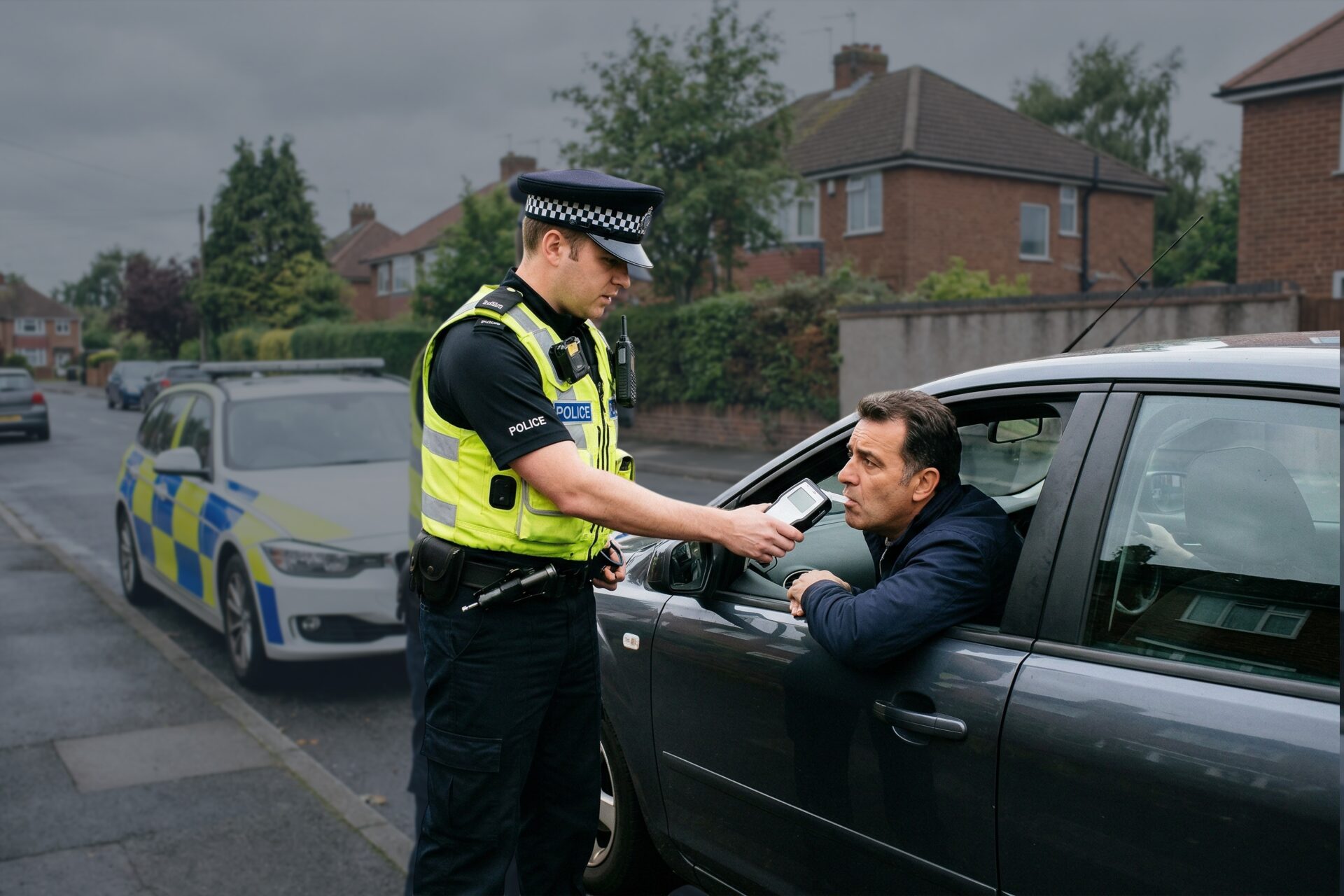
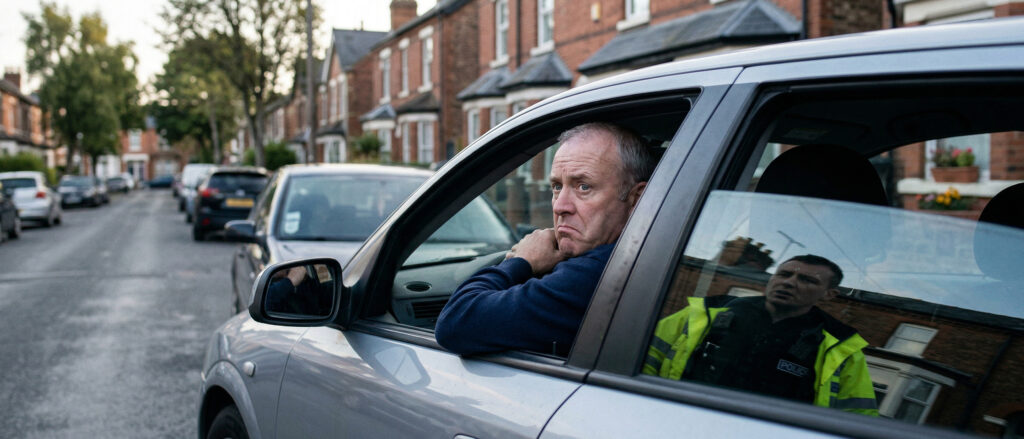
Police have powers to stop vehicles and require drivers to provide roadside breath tests.
If a driver fails the test or is suspected of drug impairment, they may be arrested and taken to a police station for further testing.
Typical stages include:
- Roadside breath test or drug wipe
- Arrest and transport to the police station
- Evidential breath, blood or urine testing
- Charge or release pending further investigation
- Court proceedings if charged
A conviction will result in a criminal record and may also affect insurance premiums and employment opportunities.
Facing Legal Issue?
Regain peace of mind and balance in your life by contacting us now for a consultation with our Motoring Offences specialist.
Strictly Confidential and No Obligation
Why Legal Representation Is Important in Drink and Drug Driving Cases
Drink and drug driving allegations can have serious consequences.
A conviction may result in:
- Loss of driving privileges
- Financial penalties
- A criminal record
- Professional or employment consequences
Legal advice is important to ensure that the evidence is properly examined and that the case is handled appropriately throughout the court process.
If you are facing allegations relating to drink or drug driving, seeking advice from experienced criminal defence solicitors can help you understand the legal process and the options available to you.
Speak to a Criminal Defence Solicitor
Drink and drug driving allegations require careful legal handling. If you are facing an investigation or court proceedings relating to these offences, obtaining professional legal advice at an early stage is essential.
Our criminal defence solicitors advise clients across England and Wales on motoring offences including drink driving and drug driving cases. If you require legal advice regarding a current investigation or charge, you can contact our team to discuss your situation.
5 Key Takeaways
Key points to understand include:
- Drink driving and drug driving offences can lead to mandatory driving disqualification.
- Courts may impose unlimited fines or custodial sentences in serious cases.
- The severity of the penalty depends on factors such as alcohol level, previous offences and the circumstances of the incident.
- Drug driving offences are prosecuted when drivers exceed specific legal limits for controlled substances.
- Courts follow structured sentencing guidelines when determining penalties.
Frequently Asked Questions
The minimum disqualification for driving or attempting to drive while over the legal alcohol limit is 12 months.
Yes. Courts can impose a prison sentence of up to 6 months, particularly in cases involving very high alcohol levels or repeat offences.
Drug driving can result in a minimum 12-month driving ban, unlimited fines and up to 6 months’ imprisonment.
A drink driving conviction remains on a driving licence for 11 years.
Yes. Certain prescription drugs have legal limits, and exceeding those limits while driving may lead to prosecution.
Refusing to provide a specimen without a lawful reason is itself a criminal offence and can lead to a driving ban, fine and possible imprisonment.
Call us on 0333 009 6275. We are available to take your call 24 hours a day, 7 days a week.
You can also email us on enquiries@ashmanssolicitors.com or complete our Online Enquiry Form and we’ll be in touch soon.
Get in touch
We’ll respond within 15 minutes during office hours
Search our legal articles
Free expert guidance on criminal law, your rights, and what to expect at every stage.
Searching Legal Help Hub articles
Related insights and updates

Drunk in Charge vs Drink Driving UK: What’s the Legal Difference?

Failing to Provide a Specimen for Analysis – Legal Advice
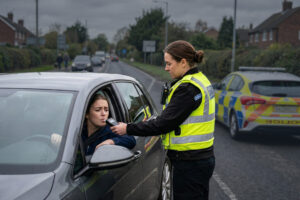
Caught Drink Driving in the UK: What Happens Next?
Using a Mobile Phone While Driving in the UK: Law, Penalties and Legal Defence

Mobile Phone Driving Law in the UK: Rules, Penalties and Legal Defences

Totting Up Ban Explained: What Happens If You Reach 12 Penalty Points?

Taking Penalty Points for Someone Else: Is It Perverting the Course of Justice?

What Happens If Your Licence Is Revoked as a New Driver in the UK?
Motoring Offence Convictions in the UK: What You Need to Know

Common Motoring Law Myths in the UK Explained
Mobile Phone Driving Laws in the UK: Rules, Penalties and Legal Defences

How to Report a Road Traffic Accident in the UK

Hip Flask Defence in Drink Driving Cases

Failure to Stop After an Accident in the UK: Law, Penalties and Legal Defence
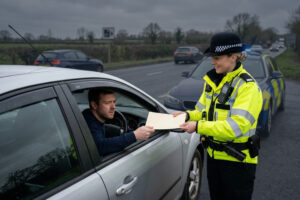
Fail to Produce Driving Documents: Offence, Penalties and Legal Defence
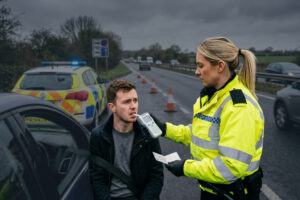
Drug Driving UK: Legal Limits, Penalties and Defences

Driving Without Insurance UK Penalties: Fines, Points and Court Consequences

Driving Whilst Disqualified in the UK: Penalties, Court Process and Legal Defences
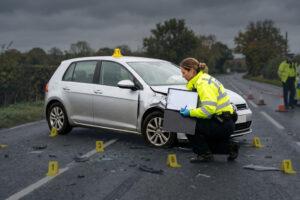
Causing Death by Dangerous Driving in the UK: Law, Sentencing and Legal Defence