

Legal Help Hub
Caught Drink Driving in the UK: What Happens Next?





Introduction
Being caught drink driving in the UK is a serious criminal offence that can result in a driving ban, substantial fines and in some cases imprisonment. Many motorists underestimate the consequences of driving after consuming alcohol, but the law in England and Wales is strict and enforcement is taken seriously by the police and courts.
If you are accused of driving over the legal alcohol limit, it is important to understand what happens next, the potential penalties involved and how the court process works.
This guide explains the legal procedure following a drink driving arrest, the possible punishments and the factors that influence sentencing.
What Is the Legal Alcohol Limit for Driving in the UK?
UK drink driving laws are governed by the Road Traffic Act 1988.
The legal alcohol limits in England and Wales are:
- 35 micrograms of alcohol per 100 millilitres of breath
- 80 milligrams of alcohol per 100 millilitres of blood
- 107 milligrams of alcohol per 100 millilitres of urine
These limits represent the maximum legal threshold. However, the effects of alcohol vary significantly between individuals, meaning that even small amounts can impair driving ability.
What Happens If the Police Suspect You of Drink Driving?
Police officers have several powers when they suspect a driver has consumed alcohol.
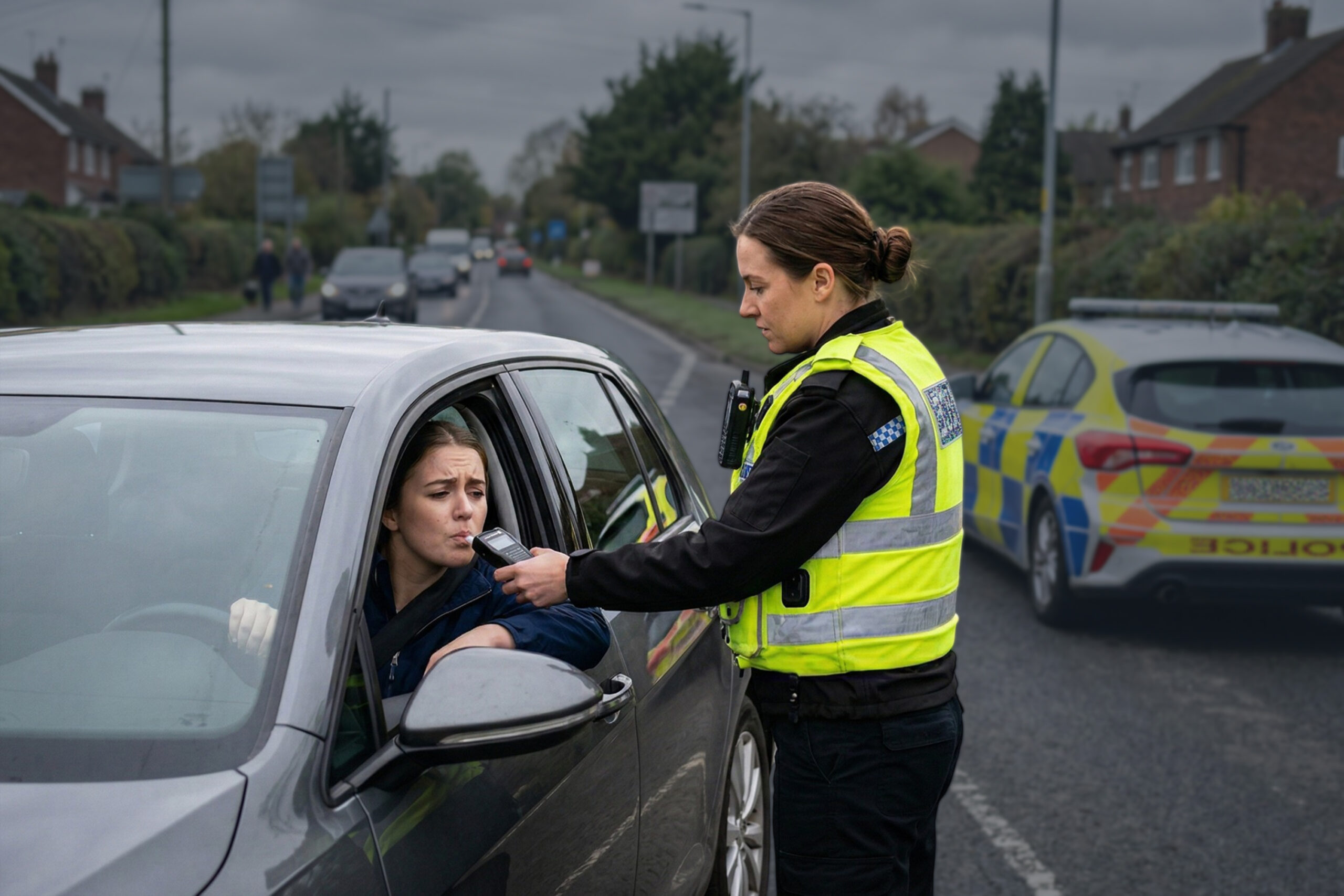
Roadside Breath Test
A police officer may request a roadside breath test if:
- They suspect alcohol consumption
- You have been involved in a road traffic collision
- You have committed a moving traffic offence
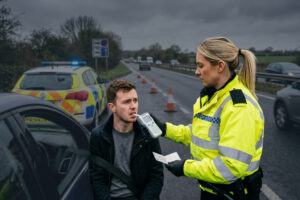
A handheld breathalyser device measures the alcohol level in your breath. If the reading exceeds the legal limit, or if the officer suspects impairment, you may be arrested.
Arrest and Police Station Procedure
If the roadside breath test indicates alcohol above the legal limit, the police may arrest you and take you to a police station.
At the station:
- A more accurate evidential breath test will usually be conducted.
- If the reading exceeds the legal limit, you may be formally charged with a drink driving offence.
- In some cases a blood or urine sample may be required.
The evidential test results are typically used as the key piece of evidence in court proceedings.

What Happens After a Drink Driving Arrest?
Following an arrest for drink driving, the police will decide whether to charge you with an offence.
Charge and Court Summons
In many cases, drivers are released from the police station and required to attend a Magistrates’ Court at a later date.
Drink driving offences are generally dealt with in the Magistrates’ Court rather than the Crown Court.
Court Appearance
At the court hearing, the magistrates will consider:
- The breath or blood alcohol reading
- Circumstances of the offence
- Any aggravating factors
- The defendant’s previous driving record
The court will then determine the appropriate sentence in accordance with the Sentencing Council guidelines.
Drink Driving Penalties in the UK
Penalties for drink driving vary depending on the level of alcohol detected and the surrounding circumstances.
Driving Disqualification
A drink driving conviction usually results in a minimum driving ban of 12 months.
Longer disqualifications may be imposed where:
- Alcohol levels are significantly above the limit
- The driver has previous drink driving convictions
- The offence involved dangerous driving
Fines
Courts frequently impose financial penalties. The amount will depend on:
- The seriousness of the offence
- The driver’s income
- Aggravating factors involved
Possible Imprisonment
In more serious cases, particularly where alcohol levels are extremely high or the offence involved dangerous behaviour, the court may impose a custodial sentence.
Maximum penalties for drink driving can include up to six months’ imprisonment.
The precise sentence will depend on the facts of each case.
Factors That Affect Drink Driving Sentences
When determining penalties, courts consider several aggravating and mitigating factors.
Examples of aggravating factors include:
- Very high alcohol readings
- Carrying passengers
- Poor driving behaviour
- Involvement in a road traffic accident
- Previous motoring offences
Mitigating factors may include:
- Early guilty plea
- Previously clean driving record
- Genuine remorse
- Personal circumstances presented to the court
Each case is assessed individually by the magistrates.
Facing Legal Issue?
Regain peace of mind and balance in your life by contacting us now for a consultation with our Motoring Offences specialist.
Strictly Confidential and No Obligation
Can You Defend a Drink Driving Charge?
Although breath test results can provide strong evidence, drink driving allegations are not always straightforward.
Potential issues may arise in relation to:
- Incorrect breathalyser procedures
- Unreliable testing equipment
- Procedural errors during arrest
- Issues with blood or urine sample handling
A careful review of the evidence can sometimes identify weaknesses in the prosecution case
How a Drink Driving Defence Solicitor Can Help
Drink driving allegations should be taken seriously due to the significant consequences for your driving licence, employment and personal life.
A solicitor experienced in motoring offence defence can:
- Examine the evidence used by the prosecution
- Assess whether police procedures were correctly followed
- Identify potential legal defences
- Represent you during court proceedings
- Present mitigation to the court where appropriate
Early legal advice can be important when dealing with any criminal allegation involving driving offences.
If you are facing a drink driving charge, speaking with a solicitor experienced in defending motoring offences can help you understand your legal position and the options available.
5 Key Takeaways
- Driving over the legal alcohol limit is a criminal offence under UK law.
- Police can require a roadside breath test if they suspect alcohol consumption.
- Most drink driving cases result in a court hearing.
- A conviction usually leads to a minimum 12-month driving disqualification.
- Penalties may include fines, extended driving bans or imprisonment in serious cases.
Frequently Asked Questions
If you are caught drink driving in the UK, you may be arrested, charged and required to attend court. Most convictions result in a driving ban, a fine and potentially further penalties depending on the seriousness of the offence.
The minimum driving disqualification for drink driving in England and Wales is 12 months, although longer bans may be imposed depending on alcohol levels and circumstances.
Most drink driving offences are dealt with in the Magistrates’ Court, where magistrates decide the appropriate sentence.
Yes. In serious cases, particularly where alcohol levels are extremely high or other aggravating factors are present, courts can impose a custodial sentence.
Drink driving convictions remain on your criminal record and can affect insurance and employment opportunities.
Yes. In some cases, procedural errors, testing issues or evidential weaknesses may allow a defence to be raised.
Call us on 0333 009 6275. We are available to take your call 24 hours a day, 7 days a week.
You can also email us on enquiries@ashmanssolicitors.com or complete our Online Enquiry Form and we’ll be in touch soon.
Get in touch
We’ll respond within 15 minutes during office hours
Search our legal articles
Free expert guidance on criminal law, your rights, and what to expect at every stage.
Searching Legal Help Hub articles
Related insights and updates

Drunk in Charge vs Drink Driving UK: What’s the Legal Difference?

Failing to Provide a Specimen for Analysis – Legal Advice

Drink Driving and Drug Driving Penalties in the UK
Using a Mobile Phone While Driving in the UK: Law, Penalties and Legal Defence

Mobile Phone Driving Law in the UK: Rules, Penalties and Legal Defences

Totting Up Ban Explained: What Happens If You Reach 12 Penalty Points?

Taking Penalty Points for Someone Else: Is It Perverting the Course of Justice?

What Happens If Your Licence Is Revoked as a New Driver in the UK?
Motoring Offence Convictions in the UK: What You Need to Know
Common Motoring Law Myths in the UK Explained
Mobile Phone Driving Laws in the UK: Rules, Penalties and Legal Defences

How to Report a Road Traffic Accident in the UK

Hip Flask Defence in Drink Driving Cases

Failure to Stop After an Accident in the UK: Law, Penalties and Legal Defence
Fail to Produce Driving Documents: Offence, Penalties and Legal Defence
Drug Driving UK: Legal Limits, Penalties and Defences

Driving Without Insurance UK Penalties: Fines, Points and Court Consequences

Driving Whilst Disqualified in the UK: Penalties, Court Process and Legal Defences
Causing Death by Dangerous Driving in the UK: Law, Sentencing and Legal Defence