

Legal Help Hub
Motoring Offence Convictions in the UK: What You Need to Know






Introduction
Being accused of a motoring offence can be stressful and uncertain. Many drivers worry about the likelihood of conviction and what the consequences may be if their case goes to court.
Motoring offences range from relatively minor matters such as speeding to more serious allegations including dangerous driving or drink driving. In many situations, the outcome depends on the evidence available and how the case is presented.
Understanding how motoring offence convictions are determined can help drivers make informed decisions and seek appropriate legal advice when necessary.
What Is Considered a Motoring Offence?
Motoring offences are criminal offences relating to the use of a motor vehicle on public roads. These offences are governed primarily by road traffic legislation in England and Wales.
Common examples include:
- Speeding offences
- Driving without insurance
- Using a mobile phone while driving
- Careless driving
- Dangerous driving
- Drink driving or drug driving
Many of these offences are prosecuted under the Road Traffic Act, which sets out the legal framework for driving offences in the UK.
Motoring offences can vary widely in seriousness. While some are dealt with by fixed penalties, others require court proceedings.
How Courts Decide Motoring Offence Cases
Motoring offence cases are usually heard in the Magistrates’ Court.
For a conviction to occur, the prosecution must prove the allegation beyond reasonable doubt. This means the court must be satisfied that the offence occurred and that the accused driver was responsible.
Magistrates will consider:
- The evidence presented by the prosecution
- Any defence evidence or arguments
- The credibility of witnesses
- The reliability of technical evidence
In some cases, a driver may accept responsibility and plead guilty. In others, the allegation may be challenged and a trial will take place.
Evidence Used in Motoring Offence Prosecutions
The prosecution may rely on different forms of evidence depending on the offence.
Common types of evidence include:
Police Officer Testimony
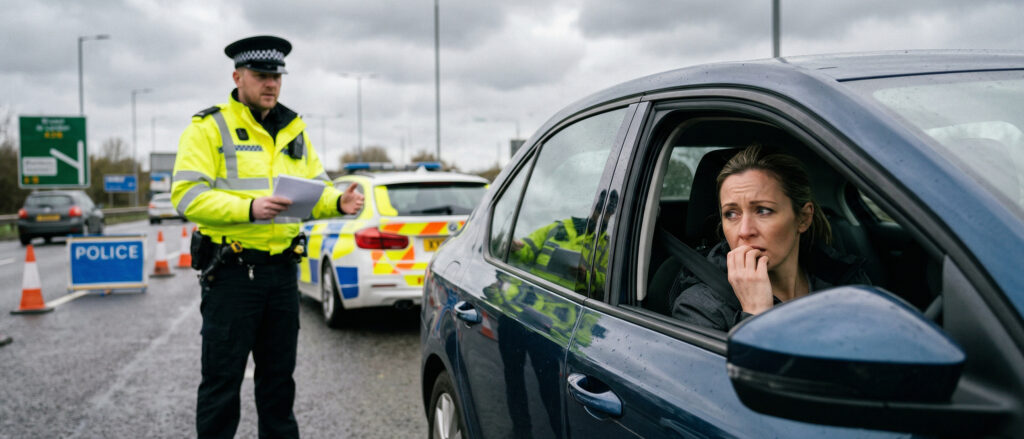
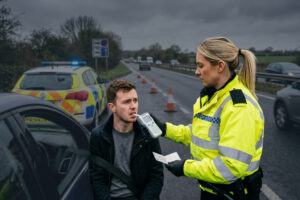
Police officers may give evidence regarding what they observed at the scene, such as driving behaviour or roadside tests.
Speed Camera Evidence
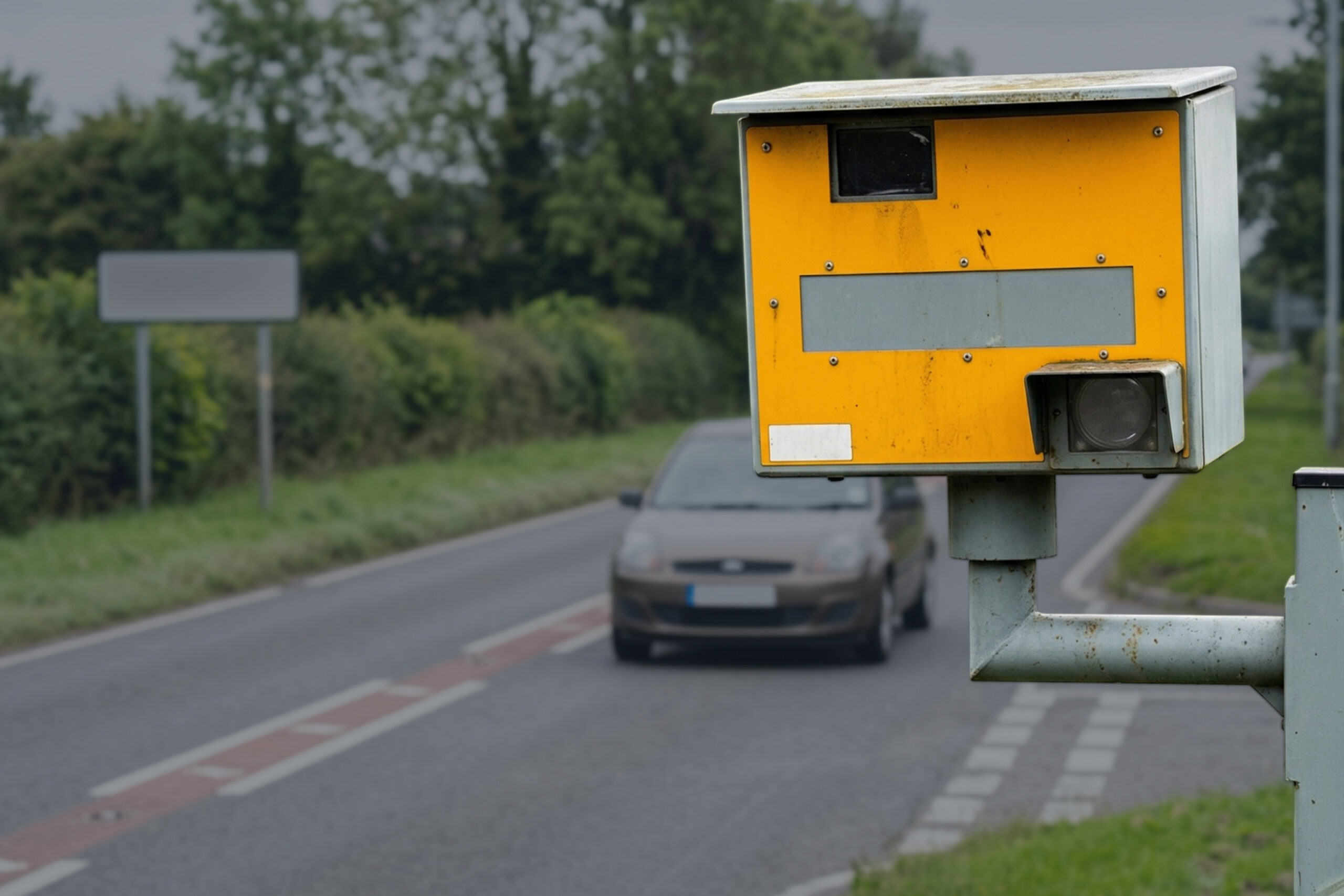
Automated speed cameras and average speed systems are frequently used in speeding prosecutions.
These devices record vehicle speed and registration details.
CCTV or Dashcam Footage
Video footage may be used to demonstrate how a vehicle was driven.
Witness Statements
Other road users or pedestrians may provide statements describing the driving behaviour they observed.
The reliability and accuracy of this evidence can often become a central issue in court proceedings.
Possible Penalties for Motoring Offence Convictions
If a driver is convicted of a motoring offence, the court may impose a range of penalties.
These may include:
Fines
Many motoring offences result in financial penalties. The amount often depends on the seriousness of the offence and the driver’s income.
Penalty Points
Convictions frequently result in penalty points being added to a driving licence.
Accumulating 12 points within three years can lead to disqualification from driving.
Driving Disqualification
Serious offences may result in a driving ban imposed by the court.
The length of disqualification depends on the nature of the offence.
Imprisonment
In the most serious cases, such as dangerous driving causing serious harm, the court may impose a custodial sentence.
Sentencing decisions are guided by the Sentencing Council’s motoring offence guidelines.
Facing Legal Issue?
Regain peace of mind and balance in your life by contacting us now for a consultation with our Motoring Offences specialist.
Strictly Confidential and No Obligation
Defending a Motoring Offence
Not every allegation leads to conviction. There are many circumstances in which a motoring offence may be challenged.
Potential defence strategies may include:
- Disputing the accuracy of speed detection equipment
- Challenging identification of the driver
- Questioning the reliability of witness evidence
- Demonstrating procedural errors in the investigation
The appropriate defence strategy depends on the specific facts of the case.
A careful review of the prosecution evidence is often essential when preparing a defence.
When to Seek Legal Representation
If you are facing a motoring offence allegation, obtaining legal advice as early as possible can be important.
A criminal defence solicitor can:
- Assess the strength of the evidence
- Explain the legal process
- Advise on plea decisions
- Represent you in court
- Present mitigation where appropriate
Early legal advice can help drivers understand their position and prepare for the next stages of the case.
If you are facing a motoring offence investigation or court proceedings, speaking with a criminal defence solicitor can provide clarity about your legal options and the potential outcomes of your case.
5 Key Takeaways
- Motoring offences are typically dealt with in the Magistrates’ Court.
- Convictions depend on the strength of the prosecution evidence.
- Police evidence, camera recordings, and witness statements are often central to the case.
- Penalties can include fines, penalty points, driving bans, or imprisonment for serious offences.
- Legal representation can play an important role in challenging evidence and presenting a defence.
Frequently Asked Questions
The likelihood of conviction depends on the evidence available to the prosecution. Strong evidence such as reliable camera recordings or clear police observations may increase the chances of conviction, whereas weaknesses in the evidence may create opportunities for a defence.
No. Some offences are resolved through fixed penalty notices. However, more serious offences or contested cases are typically heard in the Magistrates’ Court.
If you plead guilty, the court will move directly to sentencing. The penalty imposed will depend on the seriousness of the offence and any aggravating or mitigating factors.
Yes. Certain offences can result in immediate disqualification from driving, particularly serious offences such as dangerous driving or drink driving.
Drivers who accumulate 12 or more penalty points within a three-year period may face disqualification under the totting-up rules.
Yes. Allegations can be challenged if there are weaknesses in the evidence or if legal issues arise in how the case was investigated.
Call us on 0333 009 6275. We are available to take your call 24 hours a day, 7 days a week.
You can also email us on enquiries@ashmanssolicitors.com or complete our Online Enquiry Form and we’ll be in touch soon.
Get in touch
We’ll respond within 15 minutes during office hours
Search our legal articles
Free expert guidance on criminal law, your rights, and what to expect at every stage.
Searching Legal Help Hub articles
Related insights and updates

Drunk in Charge vs Drink Driving UK: What’s the Legal Difference?

Failing to Provide a Specimen for Analysis – Legal Advice

Drink Driving and Drug Driving Penalties in the UK

Caught Drink Driving in the UK: What Happens Next?

Using a Mobile Phone While Driving in the UK: Law, Penalties and Legal Defence

Mobile Phone Driving Law in the UK: Rules, Penalties and Legal Defences

Totting Up Ban Explained: What Happens If You Reach 12 Penalty Points?

Taking Penalty Points for Someone Else: Is It Perverting the Course of Justice?

What Happens If Your Licence Is Revoked as a New Driver in the UK?

Common Motoring Law Myths in the UK Explained

Mobile Phone Driving Laws in the UK: Rules, Penalties and Legal Defences

How to Report a Road Traffic Accident in the UK

Hip Flask Defence in Drink Driving Cases

Failure to Stop After an Accident in the UK: Law, Penalties and Legal Defence
Fail to Produce Driving Documents: Offence, Penalties and Legal Defence
Drug Driving UK: Legal Limits, Penalties and Defences

Driving Without Insurance UK Penalties: Fines, Points and Court Consequences

Driving Whilst Disqualified in the UK: Penalties, Court Process and Legal Defences
Causing Death by Dangerous Driving in the UK: Law, Sentencing and Legal Defence