

Legal Help Hub
Notice of Intended Prosecution (NIP) UK: What It Means and What To Do








Introduction
Receiving a Notice of Intended Prosecution (NIP) can be worrying, particularly if you are unsure what the letter means or what you are required to do next.
A NIP is commonly issued following alleged motoring offences such as speeding, careless driving, or dangerous driving. The document informs you that the police are considering prosecuting an offence involving a particular vehicle.
However, receiving a NIP does not automatically mean you will be convicted. There are strict legal rules governing how these notices must be issued and how motorists must respond.
Understanding the process is important. Failure to respond correctly can result in separate criminal penalties, including additional penalty points and fines.
This guide explains how Notices of Intended Prosecution work in England and Wales, what your legal obligations are, and when legal advice may be appropriate.
What Is a Notice of Intended Prosecution?
A Notice of Intended Prosecution (NIP) is a formal notification issued by the police when they believe a motoring offence has been committed.
The notice informs the recipient that the authorities intend to consider prosecution for a specific road traffic offence.
Typical offences leading to a NIP include:
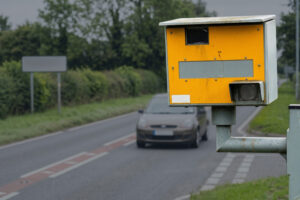
- Speeding offences detected by cameras
- Dangerous driving
- Careless or inconsiderate driving
- Failing to comply with traffic signals
- Certain insurance-related offences
The legal basis for a NIP is found under Section 1 of the Road Traffic Offenders Act 1988.
The purpose of the notice is to ensure that drivers are informed of potential proceedings within a reasonable time after the alleged offence.
In many cases the NIP is sent together with a Section 172 request, requiring the registered keeper to identify who was driving the vehicle.
The 14 Day Rule for NIPs
One of the most important rules concerning a Notice of Intended Prosecution is the 14-day service requirement.
In most cases, the first NIP must be served on the registered keeper of the vehicle within 14 days of the alleged offence.
If this requirement is not met, it may affect the validity of the prosecution.
However, there are several important exceptions.
For example:
- If the police could not reasonably identify the registered keeper in time
- If the vehicle is leased, hired, or owned by a company
- If the driver was stopped at the roadside and warned verbally
- If the offence involved a traffic collision
Where a vehicle is leased or hired, the first notice is usually sent to the registered owner or leasing company. That organisation must then identify the person responsible for the vehicle at the time.
As a result, the driver may receive a NIP later than 14 days after the incident, which can still be legally valid.

Section 172: Identifying the Driver
Most Notices of Intended Prosecution include a Section 172 notice.
This refers to Section 172 of the Road Traffic Act 1988, which requires the recipient to provide information identifying the driver at the time of the alleged offence.
You must respond within 28 days of receiving the notice.
The response must normally confirm:
- Who was driving the vehicle
- The driver’s name and address
- Any additional information requested
Failing to provide this information is a criminal offence in its own right.
If convicted of failing to identify the driver, the court can impose:
- Six penalty points
- A substantial fine
- Possible disqualification in serious cases
Even if you intend to challenge the allegation, you must still comply with the Section 172 requirement.
What Happens After You Respond to a NIP?
Once the driver has been identified, the police will decide how to proceed.
The next step depends on the nature and seriousness of the alleged offence.
Common outcomes include:
Speed Awareness Course
For certain minor speeding offences, the police may offer a speed awareness course.
This allows the driver to avoid penalty points if the course is successfully completed.
However, eligibility depends on factors such as:
- The recorded speed
- Previous offences
- Whether a course has been completed recently
Fixed Penalty Notice
In many cases, the police may issue a Fixed Penalty Notice (FPN).
This typically involves:
- A fine
- A small number of penalty points
Accepting a fixed penalty means the matter is resolved without a court hearing.
Court Proceedings
More serious offences may be referred directly to the Magistrates’ Court.
This is common where the alleged offence involves:
- Dangerous driving
- Very high speeds
- Repeat offending
- Disqualification risks
In these situations, the court will determine whether the defendant is guilty and what penalty should be imposed.
What Happens If You Ignore a Notice of Intended Prosecution?
Ignoring a Notice of Intended Prosecution is strongly discouraged.
Failure to respond to the Section 172 driver identification request can lead to prosecution.
In many cases, the penalty for failing to identify the driver is more severe than the original offence.
For example:
- Six penalty points may be imposed
- A financial penalty can be issued
- Insurance premiums may increase significantly
Even if you are unsure who was driving the vehicle, you must take reasonable steps to identify the driver.
Courts expect motorists to make genuine efforts to establish who was responsible.
Facing Legal Issue?
Regain peace of mind and balance in your life by contacting us now for a consultation with our Motoring Offences specialist.
Strictly Confidential and No Obligation
Can You Challenge a Notice of Intended Prosecution?
In certain circumstances it may be possible to challenge a prosecution linked to a NIP.
Potential issues may include:
- Failure to comply with the 14-day rule
- Incorrect vehicle details
- Mistaken identity of the driver
- Problems with evidence from speed detection equipment
- Administrative errors
Each case depends on the specific facts and evidence available.
Motoring offences can have significant consequences, particularly where driving disqualification or high penalty points are possible.
Early legal advice can help clarify the available options and potential defences.
When Should You Seek Legal Advice?
Legal advice may be particularly helpful where:
- You are unsure how to respond to the NIP
- The alleged offence could lead to disqualification
- You believe the allegation is incorrect
- You have already received several penalty points
- The police are considering prosecution for a serious offence
Motoring offences are often treated as routine matters. However, the consequences for drivers can be substantial, particularly where employment depends on a driving licence.
Specialist motoring offence solicitors can assess the circumstances of the case and advise on the most appropriate course of action.
If you have received a Notice of Intended Prosecution and are unsure how to proceed, obtaining legal advice may help you understand your position and the available options.
5 Key Takeaways
- A Notice of Intended Prosecution informs you that police are considering prosecuting a motoring offence.
- In most cases, the first NIP must be served within 14 days of the alleged offence.
- The registered keeper must respond and identify the driver within 28 days.
- Failing to identify the driver is a separate offence carrying six penalty points and a fine.
- After the response is received, the police may offer a fixed penalty, speed awareness course, or court proceedings.
Frequently Asked Questions
A Notice of Intended Prosecution (NIP) is a formal notification from the police stating that they intend to consider prosecuting a motoring offence involving a specific vehicle.
In most cases, the first Notice of Intended Prosecution must be served on the registered keeper within 14 days of the alleged offence.
Yes. The notice usually includes a Section 172 request requiring the recipient to identify the driver within 28 days.
Failing to respond can lead to prosecution for failing to identify the driver, which carries six penalty points and a fine.
In some cases it may be possible to challenge the allegation, particularly where procedural rules have not been followed or the evidence is disputed.
Not necessarily. Some drivers are offered a speed awareness course or fixed penalty notice instead of court proceedings.
Call us on 0333 009 6275. We are available to take your call 24 hours a day, 7 days a week.
You can also email us on enquiries@ashmanssolicitors.com or complete our Online Enquiry Form and we’ll be in touch soon.
Get in touch
We’ll respond within 15 minutes during office hours
Search our legal articles
Free expert guidance on criminal law, your rights, and what to expect at every stage.
Searching Legal Help Hub articles
Related insights and updates

Drunk in Charge vs Drink Driving UK: What’s the Legal Difference?

Failing to Provide a Specimen for Analysis – Legal Advice

Drink Driving and Drug Driving Penalties in the UK

Caught Drink Driving in the UK: What Happens Next?

Using a Mobile Phone While Driving in the UK: Law, Penalties and Legal Defence

Mobile Phone Driving Law in the UK: Rules, Penalties and Legal Defences

Totting Up Ban Explained: What Happens If You Reach 12 Penalty Points?

Taking Penalty Points for Someone Else: Is It Perverting the Course of Justice?

What Happens If Your Licence Is Revoked as a New Driver in the UK?
Motoring Offence Convictions in the UK: What You Need to Know

Common Motoring Law Myths in the UK Explained

Mobile Phone Driving Laws in the UK: Rules, Penalties and Legal Defences

How to Report a Road Traffic Accident in the UK

Hip Flask Defence in Drink Driving Cases

Failure to Stop After an Accident in the UK: Law, Penalties and Legal Defence
Fail to Produce Driving Documents: Offence, Penalties and Legal Defence

Drug Driving UK: Legal Limits, Penalties and Defences

Driving Without Insurance UK Penalties: Fines, Points and Court Consequences

Driving Whilst Disqualified in the UK: Penalties, Court Process and Legal Defences