
Legal Help Hub
Driving After Using Cannabis in the UK: Drug Driving Laws Explained





Introduction
Driving after using cannabis in the UK can lead to serious criminal consequences. Under drug driving laws, it is an offence to drive or attempt to drive if the level of tetrahydrocannabinol (THC) in your blood exceeds the legal limit.
Police now use roadside drug testing equipment to detect cannabis use, and thousands of drivers are prosecuted every year for drug driving offences. Even small amounts of cannabis can exceed the legal threshold.
If you are under investigation or have been charged with a drug driving offence involving cannabis, understanding the law and the potential penalties is essential.
Is It Illegal to Drive After Using Cannabis in the UK?
Yes. It is illegal to drive with cannabis in your system if the level of THC exceeds the legal limit.
Drug driving offences are governed by the Road Traffic Act 1988 and subsequent regulations introducing specific limits for controlled drugs.
Drivers commit an offence if they:
- Drive or attempt to drive a vehicle
- On a road or public place
- With a drug in their body above the specified legal limit
The list of drugs and limits is set out in the Drug Driving (Specified Limits) (England and Wales) Regulations 2014.
Cannabis is one of the substances specifically included.
What Is the Legal THC Limit for Driving?
The legal limit for THC (the main psychoactive compound in cannabis) is:
2 micrograms per litre of blood
This limit is extremely low.
It means that even a small amount of cannabis use can exceed the legal threshold and lead to prosecution.
How the Limit Is Measured
The level of THC is measured through a blood sample, which is normally taken at a police station.
If the laboratory analysis confirms THC above the legal limit, this can form the basis of a criminal charge.
Why the Limit Is So Low
The limit is intentionally set very low because cannabis can impair:
- Reaction time
- Concentration
- Judgement
- Coordination
Government guidance explains that drug driving significantly increases the risk of road traffic collisions.

How Police Test Drivers for Cannabis
Police have significant powers to investigate suspected drug driving.
If an officer suspects you have taken drugs, they may carry out roadside testing.
Roadside Drug Testing
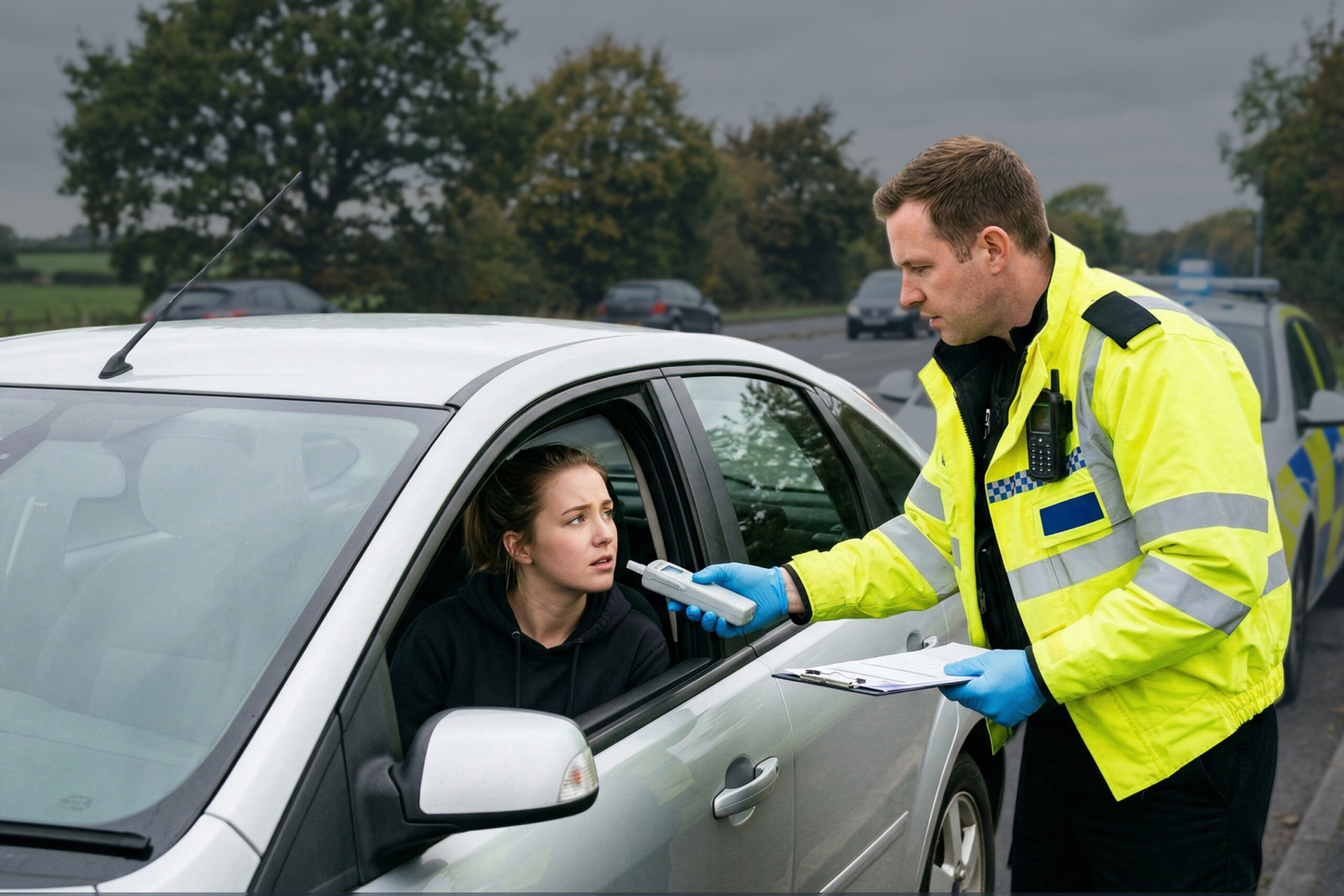
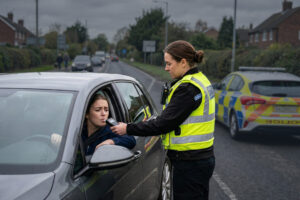
Police may require a driver to take a roadside saliva drug test.
This test can detect the presence of cannabis and other controlled drugs.
If the test is positive, the driver will usually be arrested and taken to a police station for further testing.
Blood Testing at the Police Station
At the police station, a qualified healthcare professional will normally take a blood sample.
The blood sample is sent to a laboratory to measure the exact THC concentration.
If the result exceeds the legal limit, the driver may be charged with a drug driving offence.
Penalties for Drug Driving with Cannabis
Drug driving offences are treated seriously by the courts.
If convicted, the penalties can include:
- A minimum 12-month driving ban
- An unlimited fine
- Up to 6 months’ imprisonment
- A criminal record
- Endorsement of 10 penalty points
Courts may impose longer driving bans in serious cases.
Sentencing guidance is available from the Sentencing Council.
A conviction can also have wider consequences, including:
- Higher insurance costs
- Employment issues
- Travel restrictions
How Long Cannabis Can Affect Driving
One common question is how long cannabis remains detectable after use.
The answer varies depending on factors such as:
- The amount used
- Frequency of use
- Body metabolism
- The method of consumption
THC can remain in the bloodstream for hours or sometimes longer after cannabis use.
However, because the legal limit is very low, drivers may exceed the limit even when they no longer feel impaired.
This creates a significant risk for drivers who consume cannabis and later drive
Facing Legal Issue?
Regain peace of mind and balance in your life by contacting us now for a consultation with our Motoring Offences specialist.
Strictly Confidential and No Obligation
Defending Cannabis Drug Driving Allegations
Being charged with drug driving does not automatically mean you will be convicted.
Every case depends on the evidence gathered by the police and how the investigation was conducted.
Possible legal issues may include:
- The legality of the roadside stop
- Whether proper procedures were followed during testing
- Issues with the blood sample process
- Laboratory analysis errors
- Evidential continuity problems
Careful examination of the prosecution evidence is essential in every case.
Specialist criminal defence solicitors can review the evidence and advise on the strength of the prosecution case.
When to Contact a Drug Driving Solicitor
Drug driving allegations involving cannabis should always be taken seriously.
A conviction can lead to a mandatory driving disqualification and long-term consequences.
Legal advice is particularly important if:
- You have been arrested for drug driving
- You have been asked to provide a blood sample
- You have been charged with exceeding the THC limit
- You are due to attend court
An experienced criminal defence solicitor can review the evidence, explain the legal process, and represent you throughout the case.
If you are facing a cannabis drug driving investigation or prosecution, speaking with a solicitor as early as possible can help you understand your legal position and options.
5 Key Takeaways
- Driving with cannabis in your system above the legal THC limit is a criminal offence.
- The UK has strict drug driving limits for THC in blood.
- Police can carry out roadside drug tests if they suspect drug use.
- Conviction can result in a driving ban, fine, or imprisonment.
- Legal advice is important if you are investigated or charged with drug driving.
Frequently Asked Questions
Yes. It is illegal to drive if the level of THC in your blood exceeds the legal limit of 2 micrograms per litre.
The legal THC limit for drivers in England and Wales is 2 micrograms of THC per litre of blood.
Police may use a roadside saliva drug test. If positive, a blood sample is usually taken at a police station for laboratory testing.
You may be arrested and charged with drug driving if laboratory analysis shows THC above the legal limit.
Penalties can include a minimum 12-month driving ban, an unlimited fine, up to 6 months’ imprisonment, and a criminal record.
Yes. The offence is based on exceeding the legal THC limit, not necessarily on visible impairment.
Call us on 0333 009 6275. We are available to take your call 24 hours a day, 7 days a week.
You can also email us on enquiries@ashmanssolicitors.com or complete our Online Enquiry Form and we’ll be in touch soon.
Get in touch
We’ll respond within 15 minutes during office hours
Search our legal articles
Free expert guidance on criminal law, your rights, and what to expect at every stage.
Searching Legal Help Hub articles
Related insights and updates

Drunk in Charge vs Drink Driving UK: What’s the Legal Difference?

Failing to Provide a Specimen for Analysis – Legal Advice

Drink Driving and Drug Driving Penalties in the UK
Caught Drink Driving in the UK: What Happens Next?
Using a Mobile Phone While Driving in the UK: Law, Penalties and Legal Defence

Mobile Phone Driving Law in the UK: Rules, Penalties and Legal Defences

Totting Up Ban Explained: What Happens If You Reach 12 Penalty Points?

Taking Penalty Points for Someone Else: Is It Perverting the Course of Justice?

What Happens If Your Licence Is Revoked as a New Driver in the UK?
Motoring Offence Convictions in the UK: What You Need to Know

Common Motoring Law Myths in the UK Explained
Mobile Phone Driving Laws in the UK: Rules, Penalties and Legal Defences

How to Report a Road Traffic Accident in the UK

Hip Flask Defence in Drink Driving Cases

Failure to Stop After an Accident in the UK: Law, Penalties and Legal Defence
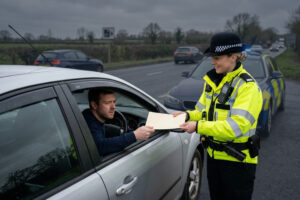
Fail to Produce Driving Documents: Offence, Penalties and Legal Defence
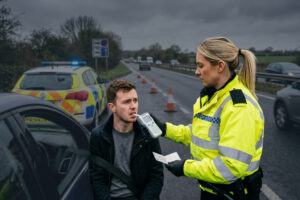
Drug Driving UK: Legal Limits, Penalties and Defences

Driving Without Insurance UK Penalties: Fines, Points and Court Consequences

Driving Whilst Disqualified in the UK: Penalties, Court Process and Legal Defences