
Legal Help Hub
Charged With Drink Driving – What Should You Do Next?






Introduction
Being charged with drink driving is a serious criminal offence in England and Wales. A conviction can result in a driving ban, significant financial penalties, and in some cases even imprisonment.
If you have been charged with drink driving, it is important to understand the legal process, the potential consequences, and the options available to you.
Specialist legal advice can be critical in protecting your driving licence and ensuring that your case is handled correctly from the outset.
What Happens After You Are Charged With Drink Driving?
Drink driving cases generally follow a standard legal process.
Police Investigation
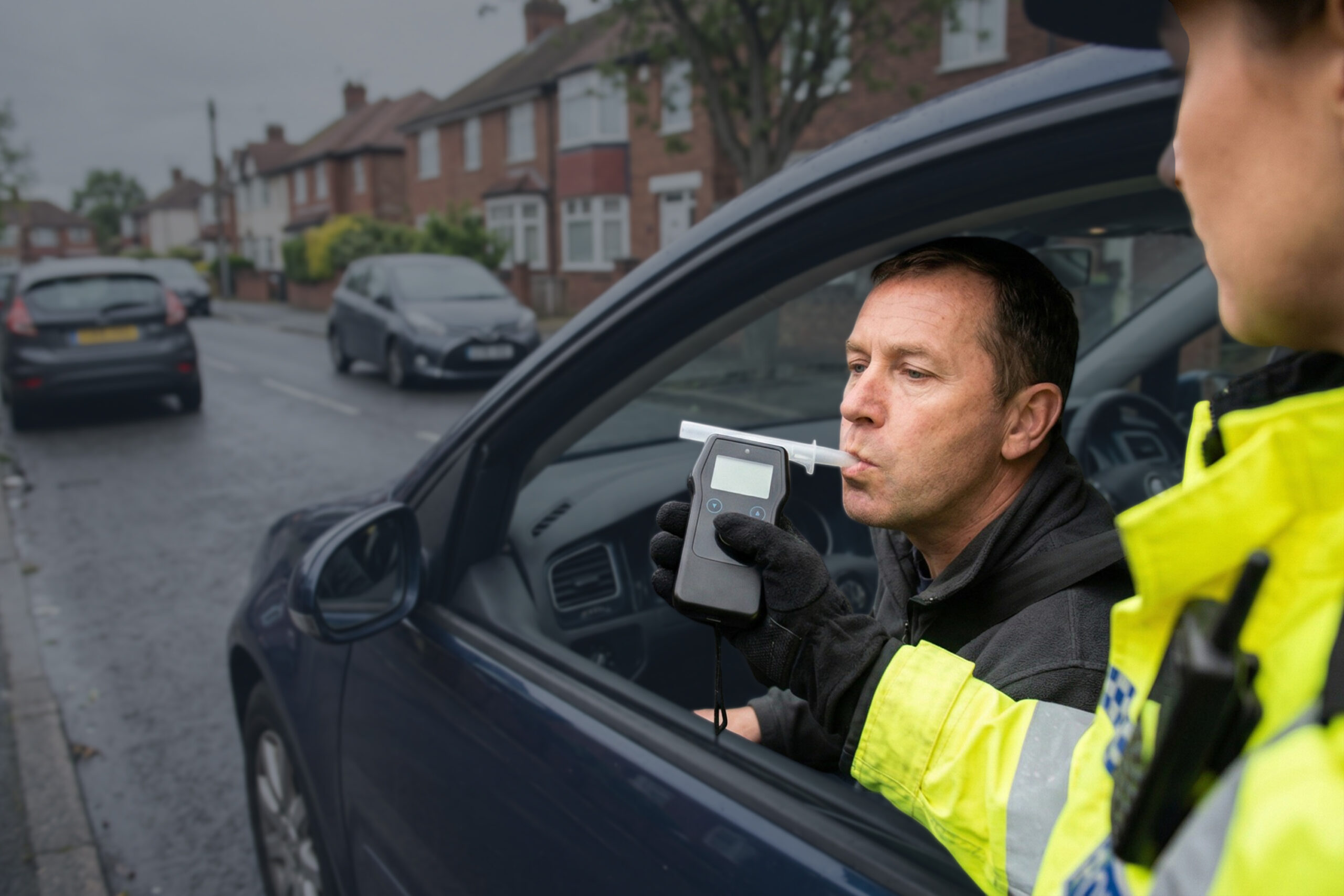
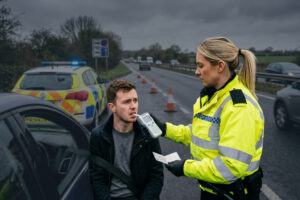
After stopping a driver, police may carry out a roadside breath test. If the result indicates alcohol above the legal limit, the driver will usually be arrested and taken to a police station.
At the police station, an evidential breath test or blood or urine sample will be taken.
Being Charged
If the evidential reading confirms you are over the legal limit, the police will normally charge you with one of the following offences:
- Driving or attempting to drive while above the prescribed alcohol limit
- Being in charge of a motor vehicle while over the limit
These offences are created under the Road Traffic Act 1988.
You will normally be released on bail and required to attend a Magistrates’ Court hearing.
Your First Court Appearance
At your first court hearing, the court will ask how you wish to plead.
You may:
- Plead guilty, or
- Plead not guilty and proceed to trial.
If you plead not guilty, the case will be listed for a trial at a later date.
Drink Driving Laws and Legal Limits in England and Wales
Drink driving offences are governed by the Road Traffic Act 1988.
The legal alcohol limits in England and Wales are:
- 35 micrograms of alcohol per 100ml of breath
- 80 milligrams of alcohol per 100ml of blood
- 107 milligrams of alcohol per 100ml of urine
Drivers who exceed these limits may be prosecuted for drink driving.
However, a person may also be charged if they are unfit to drive through drink, even if they are below the specified limit.

What Penalties Can You Receive for Drink Driving?
Drink driving penalties can be severe and are determined by the court using sentencing guidelines.
Possible penalties include:
- A minimum 12-month driving disqualification
- An unlimited fine
- A community order
- Imprisonment in serious cases.
The court will consider several factors when deciding the appropriate sentence, including:
- The level of alcohol detected
- Whether there was an accident
- Whether anyone was injured
- Previous driving convictions.
A second conviction within ten years usually results in a minimum three-year disqualification.
Can You Defend a Drink Driving Charge?
Many people assume that if they were over the legal limit, they have no defence. This is not always correct.
Drink driving cases can be challenged in a number of ways.
Procedural Errors
Police must follow strict procedures when conducting breath, blood, or urine tests.
If officers fail to follow the correct legal process, the evidence may be ruled inadmissible in court.
Inaccurate Test Results
Breath testing machines and laboratory analysis must meet strict standards.
Potential issues include:
- Equipment calibration problems
- Contamination of blood samples
- Medical conditions or medication affecting results.
If the reliability of the test is challenged successfully, the prosecution case may collapse.
The Hip Flask Defence
The “hip flask defence” applies when alcohol was consumed after driving but before providing a sample.
In such circumstances, the alcohol reading may not accurately reflect the driver’s condition at the time of driving.
Expert evidence is often required to support this type of defence.
Special Reasons Arguments
In some cases, a defendant may plead guilty but argue that special reasons exist for the offence.
Special reasons are circumstances connected directly to the offence which may justify avoiding or reducing a driving ban.
Examples may include:
- A genuine emergency
- Driving a very short distance
- Spiked drinks.
These arguments require careful legal preparation.
Do You Need a Solicitor for a Drink Driving Charge?
It is possible to represent yourself in a drink driving case. However, the legal and procedural issues involved can be complex.
A specialist solicitor can:
- Review the prosecution evidence
- Identify weaknesses in the case
- Advise on possible defences
- Prepare mitigation for sentencing
- Present arguments in court.
Even when a guilty plea is entered, professional legal representation can help ensure the court hears all relevant mitigating factors.
Facing Legal Issue?
Regain peace of mind and balance in your life by contacting us now for a consultation with our Motoring Offences specialist.
Strictly Confidential and No Obligation
How Our Drink Driving Defence Solicitors Can Help
Drink driving cases often appear straightforward, but they frequently involve technical legal issues.
A specialist motoring offence solicitor can:
- Analyse the breath or blood test procedures
- Identify procedural irregularities
- Examine the reliability of evidence
- Prepare expert reports where required
- Present a structured defence or mitigation strategy.
Careful legal preparation can significantly influence the outcome of a case.
Speak to a Drink Driving Defence Solicitor
If you have been charged with drink driving, it is important to obtain legal advice as early as possible.
A solicitor can review the details of your case, explain your legal options, and advise on the best strategy moving forward.
Early preparation can make a substantial difference when defending a drink driving allegation or presenting mitigation before the court.
If you require advice regarding a drink driving charge, contact our specialist motoring offence solicitors to discuss your situation.
5 Key Takeaways
- Drink driving is a criminal offence under the Road Traffic Act 1988.
- A conviction usually results in a minimum 12-month driving ban.
- The case will normally be heard in the Magistrates’ Court.
- Even if the breath test result appears clear, legal defences may still exist.
- Early legal advice can significantly improve the outcome of your case.
Taking the right steps early can make a meaningful difference to the final result.
Frequently Asked Questions
In most cases a driving ban is mandatory. However, it may be avoided if you successfully defend the charge or if special reasons are accepted by the court.
At the first hearing in the Magistrates’ Court you will be asked to enter a plea. If you plead guilty, the court may proceed to sentencing. If you plead not guilty, the case will be listed for trial.
A drink driving conviction remains on your driving record for 11 years.
Yes. Breathalyser evidence can be challenged if there are issues with procedure, calibration, or reliability of the equipment.
The minimum driving disqualification for drink driving in England and Wales is 12 months.
Yes. The maximum penalty for drink driving includes up to six months’ imprisonment, although custody is typically reserved for the most serious cases.
Call us on 0333 009 6275. We are available to take your call 24 hours a day, 7 days a week.
You can also email us on enquiries@ashmanssolicitors.com or complete our Online Enquiry Form and we’ll be in touch soon.
Get in touch
We’ll respond within 15 minutes during office hours
Search our legal articles
Free expert guidance on criminal law, your rights, and what to expect at every stage.
Searching Legal Help Hub articles
Related insights and updates

Drunk in Charge vs Drink Driving UK: What’s the Legal Difference?

Failing to Provide a Specimen for Analysis – Legal Advice

Drink Driving and Drug Driving Penalties in the UK

Caught Drink Driving in the UK: What Happens Next?
Using a Mobile Phone While Driving in the UK: Law, Penalties and Legal Defence

Mobile Phone Driving Law in the UK: Rules, Penalties and Legal Defences

Totting Up Ban Explained: What Happens If You Reach 12 Penalty Points?

Taking Penalty Points for Someone Else: Is It Perverting the Course of Justice?

What Happens If Your Licence Is Revoked as a New Driver in the UK?
Motoring Offence Convictions in the UK: What You Need to Know

Common Motoring Law Myths in the UK Explained
Mobile Phone Driving Laws in the UK: Rules, Penalties and Legal Defences

How to Report a Road Traffic Accident in the UK

Hip Flask Defence in Drink Driving Cases

Failure to Stop After an Accident in the UK: Law, Penalties and Legal Defence
Fail to Produce Driving Documents: Offence, Penalties and Legal Defence
Drug Driving UK: Legal Limits, Penalties and Defences

Driving Without Insurance UK Penalties: Fines, Points and Court Consequences

Driving Whilst Disqualified in the UK: Penalties, Court Process and Legal Defences