
Legal Help Hub
Charged With Causing Death by Dangerous Driving in the UK








Introduction
Being charged with causing death by dangerous driving is one of the most serious motoring offences in England and Wales. If a fatal road traffic collision occurs and the prosecution alleges that the driver was driving dangerously, the case will usually be dealt with in the Crown Court and can lead to extremely severe penalties.
Understanding the law, the potential consequences and the possible defence strategies is essential if you are facing this allegation.
This guide explains how the offence works, what the prosecution must prove, the possible sentences and what steps you should take if you have been charged.
What Is Causing Death by Dangerous Driving?
The offence of causing death by dangerous driving is created by section 1 of the Road Traffic Act 1988.
It applies where a person drives a motor vehicle dangerously and that driving results in another person’s death.
This offence was introduced to deal specifically with fatal road collisions where the standard of driving was considered far below what would be expected of a competent driver.
Legal Definition of Dangerous Driving
A person is considered to be driving dangerously if:
- Their driving falls far below the standard expected of a competent and careful driver, and
- It would be obvious to a competent driver that the manner of driving was dangerous.
Danger in this context includes risk of injury to others or serious damage to property.
Examples that may amount to dangerous driving include:
- Excessive speeding
- Racing or aggressive driving
- Ignoring traffic signals
- Driving while distracted
- Driving while impaired by alcohol or drugs
However, every case depends on the specific circumstances.

What Must the Prosecution Prove?
To secure a conviction for causing death by dangerous driving, the prosecution must establish two key elements.
1. Dangerous Driving
First, it must be proven that the defendant was driving in a way that fell far below the standard expected of a competent and careful driver.
This assessment is objective and considers factors such as:
- Speed
- Road conditions
- Traffic conditions
- Visibility
- The behaviour of the driver
2. The Driving Caused the Death
Secondly, the prosecution must show that the dangerous driving caused the fatality.
This means the driving must be a significant cause of the death. If another factor caused the fatality, this may become a key issue in the case.
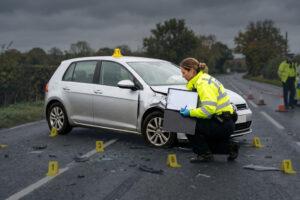
Accident reconstruction experts are often used in these cases to analyse:
- Vehicle speed
- Braking distances
- Collision dynamics
- Road conditions
These technical issues can play a major role in determining liability.
Sentences for Causing Death by Dangerous Driving
Causing death by dangerous driving carries extremely serious penalties.
Maximum Sentence
The maximum sentence for the offence is life imprisonment.
This reflects the gravity of the offence and the devastating consequences for victims and their families.
Sentencing Factors
When determining the sentence, the court will consider a range of factors, including:
- The level of driving culpability
- The speed involved
- Whether alcohol or drugs were involved
- Previous driving convictions
- Attempts to avoid responsibility
- The overall circumstances of the collision
Aggravating features can significantly increase the sentence imposed.
Driving Disqualification
A conviction will normally result in:
- A mandatory driving disqualification
- A requirement to pass an extended driving test before driving again
The minimum period of disqualification following conviction is typically several years.
Possible Defences to Causing Death by Dangerous Driving
Although the allegation is serious, it is still possible to challenge the prosecution’s case.
The appropriate defence will depend on the specific facts of the case.
Disputing Dangerous Driving
In some cases, the defence may argue that the driving did not fall far below the expected standard.
For example:
- The driver reacted reasonably in difficult circumstances
- Road or weather conditions contributed to the incident
- Another driver was responsible for the collision
Expert evidence may be used to support this argument.
Challenging Causation
Even if the driving is criticised, the prosecution must prove that it caused the death.
In some cases:
- Another driver may have been responsible
- Mechanical failure may have contributed
- The fatal outcome may not have been avoidable
Causation is often one of the most complex issues in fatal driving cases.
Evidential Challenges
The defence may also examine the reliability of the evidence.
Potential issues may include:
- Inaccurate accident reconstruction
- Unreliable witness evidence
- Incorrect assumptions about vehicle speed
- Failures in the police investigation
A detailed review of the prosecution evidence is essential.
What Happens After You Are Charged?
Cases involving causing death by dangerous driving usually proceed through several stages.
Police Investigation
Fatal collisions are typically investigated by specialist police collision investigation teams.
They will gather evidence including:
- Vehicle examinations
- Witness statements
- CCTV footage
- Accident reconstruction reports
Crown Court Proceedings
Because this offence is indictable only, the case will ultimately be heard in the Crown Court.
The prosecution must present evidence to a jury demonstrating that the driving was dangerous and caused the death.
If a defendant pleads not guilty, the case will proceed to trial.
Facing Legal Issue?
Regain peace of mind and balance in your life by contacting us now for a consultation with our Motoring Offences specialist.
Strictly Confidential and No Obligation
Why You Need Specialist Legal Representation
Fatal road traffic cases are among the most complex types of criminal prosecution.
They frequently involve:
- Expert accident reconstruction evidence
- Complex legal arguments about causation
- Detailed technical analysis of driving behaviour
A solicitor experienced in serious motoring offences can:
- Analyse the prosecution evidence
- Instruct independent experts
- Identify weaknesses in the case
- Present a strong defence strategy
Given the severity of the potential penalties, obtaining specialist legal advice at an early stage is extremely important.
Speak to a Motoring Offence Defence Solicitor
If you have been charged with causing death by dangerous driving, the consequences can be life-changing. These cases involve complex legal and technical issues and require careful preparation.
Our defence solicitors represent individuals facing serious motoring allegations across England and Wales. We can review the evidence, explain the legal position and advise on the best approach to defending the case.
Contact our team today to discuss your situation in confidence and obtain specialist legal guidance.
5 Key Takeaways
- Causing death by dangerous driving is a serious criminal offence under the Road Traffic Act 1988.
- The offence is indictable only, meaning it is tried in the Crown Court.
- The prosecution must prove both dangerous driving and that the driving caused the death.
- The maximum penalty is life imprisonment, alongside a mandatory driving disqualification.
- Expert legal representation is essential due to the complexity and seriousness of the case.
Frequently Asked Questions
It is a criminal offence under the Road Traffic Act 1988 where a person drives dangerously and that driving results in another person’s death.
The maximum sentence is life imprisonment along with a mandatory driving disqualification.
Dangerous driving occurs when the driving falls far below the standard expected of a competent and careful driver.
Yes. Possible defences may involve disputing dangerous driving, challenging causation or questioning the reliability of the evidence.
Yes. Causing death by dangerous driving is an indictable-only offence and is tried in the Crown Court.
A conviction normally results in a lengthy driving disqualification and a requirement to pass an extended driving test before driving again.
Fatal collision investigations can take many months because specialist evidence must be gathered and analysed.
Call us on 0333 009 6275. We are available to take your call 24 hours a day, 7 days a week.
You can also email us on enquiries@ashmanssolicitors.com or complete our Online Enquiry Form and we’ll be in touch soon.
Get in touch
We’ll respond within 15 minutes during office hours
Search our legal articles
Free expert guidance on criminal law, your rights, and what to expect at every stage.
Searching Legal Help Hub articles
Related insights and updates

Drunk in Charge vs Drink Driving UK: What’s the Legal Difference?

Failing to Provide a Specimen for Analysis – Legal Advice

Drink Driving and Drug Driving Penalties in the UK

Caught Drink Driving in the UK: What Happens Next?

Using a Mobile Phone While Driving in the UK: Law, Penalties and Legal Defence

Mobile Phone Driving Law in the UK: Rules, Penalties and Legal Defences

Totting Up Ban Explained: What Happens If You Reach 12 Penalty Points?

Taking Penalty Points for Someone Else: Is It Perverting the Course of Justice?

What Happens If Your Licence Is Revoked as a New Driver in the UK?
Motoring Offence Convictions in the UK: What You Need to Know

Common Motoring Law Myths in the UK Explained

Mobile Phone Driving Laws in the UK: Rules, Penalties and Legal Defences

How to Report a Road Traffic Accident in the UK

Hip Flask Defence in Drink Driving Cases

Failure to Stop After an Accident in the UK: Law, Penalties and Legal Defence
Fail to Produce Driving Documents: Offence, Penalties and Legal Defence
Drug Driving UK: Legal Limits, Penalties and Defences

Driving Without Insurance UK Penalties: Fines, Points and Court Consequences

Driving Whilst Disqualified in the UK: Penalties, Court Process and Legal Defences