

Legal Help Hub
Environmental Offences That Can Lead to a Prison Sentence in the UK








Introduction
Environmental offences are treated increasingly seriously by courts in England and Wales. Individuals and companies who breach environmental laws can face significant penalties, including unlimited fines and custodial sentences.
Regulators such as the Environment Agency and local authorities investigate suspected environmental crimes and bring prosecutions where breaches are considered serious. In some cases, directors, managers or individuals responsible for the offending can be personally prosecuted.
Understanding when environmental breaches may result in imprisonment is important for anyone involved in regulated industries such as waste management, construction, manufacturing, agriculture and transport.
What Are Environmental Offences Under UK Law
Environmental offences arise when individuals or organisations breach laws designed to protect the environment, public health and natural resources.
These offences may involve activities that cause pollution, unlawful waste disposal, or failure to comply with regulatory permits.
Environmental law in England and Wales is primarily enforced by regulators including:
- The Environment Agency
- Local authorities
- The Health and Safety Executive in certain cases
Many environmental offences are strict liability offences, meaning that prosecutors do not always need to prove intent to secure a conviction.
However, serious breaches that cause significant environmental harm or demonstrate deliberate disregard for regulatory obligations can lead to criminal charges with severe consequences.
Common Environmental Crimes That Can Lead to Prosecution
Environmental prosecutions can arise in many different contexts. Some offences are relatively minor regulatory breaches, while others are treated as serious criminal conduct.
Illegal Waste Disposal
One of the most frequently prosecuted environmental offences involves the unlawful disposal of waste.
Examples include:
- Fly-tipping large quantities of waste
- Operating illegal waste sites
- Dumping commercial waste without proper authorisation
- Failing to use licensed waste carriers
Large-scale illegal waste operations can cause environmental damage and significant financial harm to communities. Courts often impose heavy penalties where organised or commercial activity is involved.
Pollution of Watercourses
Water pollution offences occur when harmful substances enter rivers, streams, lakes or groundwater.
These cases may involve:
- Chemical spills
- Agricultural slurry leaks
- Industrial discharge
- Oil contamination
Pollution incidents that cause harm to wildlife or drinking water supplies are treated particularly seriously by prosecutors and courts.
Operating Without an Environmental Permit
Many industrial and commercial activities require an environmental permit.
Examples include:
- Waste treatment facilities
- Waste transfer stations
- Certain manufacturing operations
- Large agricultural operations
Operating without the appropriate permit can result in criminal charges.
Breaches of Environmental Permits
Even where a permit exists, businesses must comply with strict operating conditions.
Breaches may include:
- Exceeding waste storage limits
- Improper emissions control
- Failing to monitor environmental impact
- Improper handling of hazardous substances
Serious or repeated permit breaches can lead to prosecution.
Which Laws Govern Environmental Offences in the UK
Environmental offences are governed by a range of legislation.
Key laws include the Environmental Protection Act 1990, which regulates waste management and environmental protection.
The Environmental Permitting (England and Wales) Regulations 2016 also play a central role in regulating activities that may affect the environment.
These regulations establish the framework for environmental permits and set out offences relating to operating without authorisation or breaching permit conditions.
These laws give regulators significant enforcement powers, including the ability to investigate suspected breaches and bring criminal prosecutions.
When Can Environmental Offences Lead to Prison
Not every environmental offence results in a custodial sentence. However, prison sentences may be imposed where the court considers the offending particularly serious.
Courts consider several factors when deciding whether imprisonment is appropriate.
These include:
- The scale of environmental damage
- Whether the offence was deliberate
- The financial benefit gained from the offence
- Whether there was a disregard for regulatory warnings
- The risk posed to public health
In the most serious cases, individuals convicted of environmental offences may face imprisonment.
Courts also impose additional penalties including:
- Confiscation of profits
- Director disqualification
- Significant financial penalties
- Orders to remediate environmental damage
How Environmental Crime Investigations Are Conducted
Environmental investigations are typically led by the Environment Agency.
Investigators may carry out a range of actions including:
- Site inspections
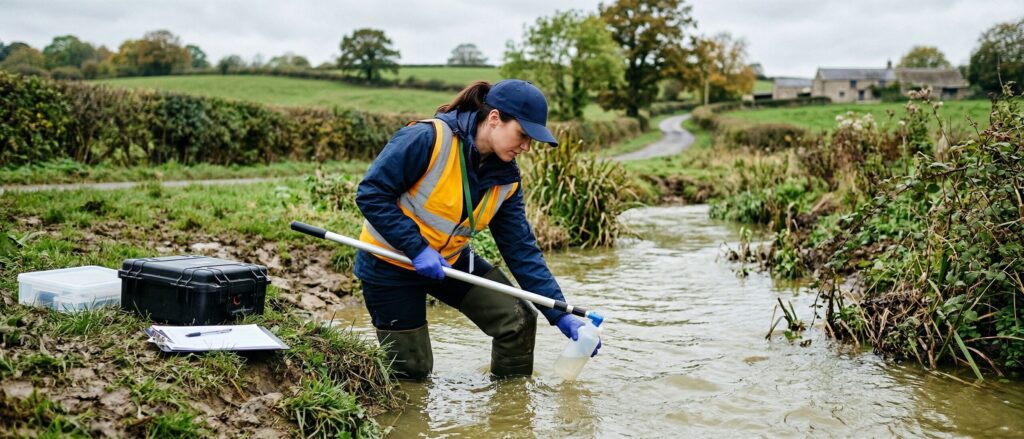
- Sampling of contaminated land or water
- Interviews with witnesses
- Document reviews
- Financial investigations
Search warrants may also be obtained in serious cases.
Investigations often focus on identifying who was responsible for operational decisions that led to the environmental breach.
In corporate cases, prosecutors may seek to establish whether directors or senior managers consented to or were aware of unlawful activity.
Defending Environmental Offence Allegations
Environmental prosecutions can be complex and involve detailed regulatory frameworks.
Possible defence strategies depend on the circumstances of each case but may include:
- Challenging whether an offence actually occurred
- Disputing responsibility for the alleged breach
- Demonstrating compliance with regulatory obligations
- Contesting the accuracy of environmental evidence
- Challenging the prosecution’s interpretation of permit conditions
Technical expert evidence is sometimes required in environmental cases, particularly where pollution or environmental impact is disputed.
Because of the potential for severe financial and custodial penalties, environmental prosecutions require careful legal handling.
Facing a legal case?
Regain peace of mind and balance in your life by contacting us now for a consultation with our Business Crime & Regulatory Specialist.
Strictly Confidential and No Obligation
Why Early Legal Representation is Critical
Environmental investigations can begin long before a prosecution is formally issued.
Individuals and businesses may first become aware of concerns through:
- Regulatory inspections
- Formal investigation notices
- Requests for documentation
- Interviews under caution
Seeking legal advice at an early stage can be crucial in protecting your position and ensuring that interactions with investigators are handled appropriately.
Environmental prosecutions often involve extensive evidence and regulatory analysis, making experienced legal representation particularly important.
If you are under investigation or facing allegations relating to environmental offences, obtaining prompt legal advice from criminal defence solicitors experienced in regulatory crime can make a significant difference to the outcome of the case.
5 Key Takeaways
- Environmental crimes can result in criminal prosecution in UK courts
- Serious environmental breaches may lead to custodial sentences
- Both individuals and company directors can be prosecuted
- Investigations are commonly carried out by the Environment Agency
- Early legal advice from experienced criminal defence solicitors is essential
Frequently Asked Questions
Yes. Serious environmental offences can result in imprisonment, particularly where the breach caused significant environmental harm or was committed deliberately.
Environmental crimes are usually investigated by the Environment Agency or local authorities depending on the nature of the offence.
Yes. Directors and senior managers can be prosecuted personally if they consented to, were involved in, or neglected their responsibilities regarding environmental breaches.
Penalties can include unlimited fines, confiscation of profits and in serious cases imprisonment.
Investigators may inspect sites, gather environmental samples, review business records and interview individuals under caution.
Some environmental offences are strict liability, meaning prosecutors may not need to prove intent. However, sentencing will depend on the seriousness of the conduct.
Call us on 0333 009 6275. We are available to take your call 24 hours a day, 7 days a week.
You can also email us on enquiries@ashmanssolicitors.com or complete our Online Enquiry Form and we’ll be in touch soon.
Get in touch
We’ll respond within 15 minutes during office hours
Search our legal articles
Free expert guidance on criminal law, your rights, and what to expect at every stage.
Searching Legal Help Hub articles
Related insights and updates

Selling Knives to Minors: Offence and Sentencing in England and Wales

Corporate Manslaughter UK Law: What Businesses Need to Know

How Autism Can Affect Criminal Sentencing in the UK

Can Bite Mark Evidence Be Used in Criminal Trials in the UK?

Can a Getaway Driver Be Charged With Burglary in the UK?

Can Prisoners Attend Their Sentencing Hearing in the UK?

Can Psychological Harm to a Victim Increase a Criminal Sentence?

CPS Complex Casework Unit: How Serious Criminal Cases Are Prosecuted

Encouraging or Assisting Crime in the UK

GPS Tagging Offenders in the UK After Prison Release

Harbouring an Offender or Escapee in UK Law

Modern Slavery Defence in Criminal Cases

Modern Slavery Defence in Criminal Cases (Section 45 of the Modern Slavery Act 2015)

Prison Visit Rules UK: How to Visit Someone in Prison

The Unduly Lenient Sentence Scheme: When a Sentence Can Be Increased by the Court of Appeal

Unduly Lenient Sentences in the UK: What the Law Says

What Are Your Rights If Arrested in the UK?

Aggravated Trespass During Protest in the UK

Flawed Identification Evidence in Criminal Cases